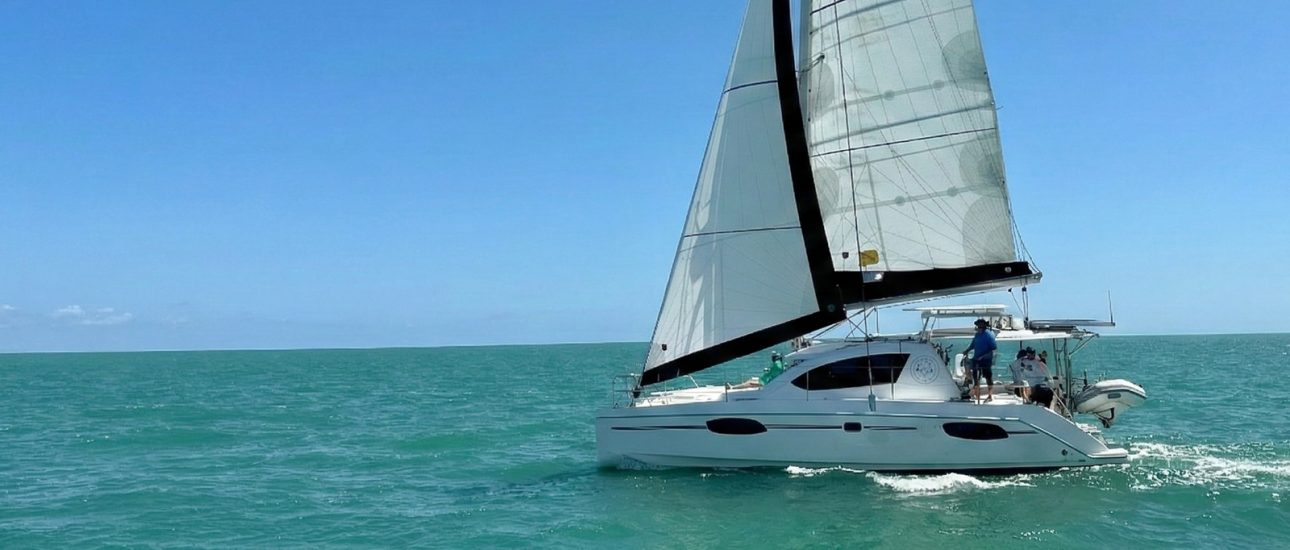
There is a moment most boat owners hit at some point. Maybe they just bought a larger vessel and the systems feel unfamiliar. Maybe they need the boat moved from one coast to another and do not have the time or the sea miles to do it themselves. Maybe they are planning their first extended cruise and want someone experienced aboard for the shakedown.
Whatever the trigger, the question is the same: do I need a captain for this?
The honest answer is not always yes. But when it is, hiring the right person matters more than most owners realize. Here is how to think through it.
Situations That Call for a Professional Captain
Yacht Delivery and Transport
Moving a vessel from one port to another is one of the most common reasons owners hire a captain. It sounds straightforward, but delivery involves voyage planning, weather routing, fuel management, and the ability to handle whatever conditions show up between Point A and Point B.
If the passage is coastal and conditions are predictable, an experienced owner might handle it. But for longer runs, offshore passages, or unfamiliar waters, a delivery captain brings a level of preparation and sea time that reduces risk significantly.
At Sea Suite Naples, Captain Gage handles deliveries personally. That means a full vessel assessment before departure, detailed voyage planning, weather and route analysis, and experienced decision-making throughout the trip.
Owner Training and Instruction
Owning a boat and operating it confidently are two different skill sets. Most new owners (and plenty of experienced ones) have gaps. Maybe it is close-quarters docking. Maybe it is anchoring in current. Maybe it is understanding the electrical system well enough to troubleshoot when something trips.
A good training captain does not just show you what to do. They put you in the situations that make you uncomfortable and walk you through them until they do not. Docking in a crosswind. Backing into a slip. Recovering from a dragged anchor. These are the skills that build real confidence, and they are hard to learn from YouTube.
Captain Gage is a certified U.S. Sailing instructor. Training sessions are built around your boat, your home waters, and the specific situations you actually encounter. Not a classroom. Not a textbook. Hands on the wheel, lines in your hands.
Trip Planning for Unfamiliar Waters
Planning a cruise to the Keys? Heading to the Bahamas for the first time? The difference between a good trip and a stressful one often comes down to preparation. Route analysis, weather window planning, fuel management, provisioning, and understanding the tidal and current patterns of the waters you are entering.
A captain with local or regional knowledge can compress weeks of research into a single planning session. And for some trips, having that captain aboard for the first leg makes sense until you are comfortable with the route and the conditions.
Brokerage and Survey Support
Buying or selling a vessel is a process full of opinions. The broker has theirs. The surveyor has theirs. The owner has theirs. What most buyers lack is an operational perspective: someone who has actually run boats like the one they are looking at and can assess it through the lens of real-world use.
Captain Gage is not a broker and not a surveyor. He provides a second set of experienced eyes during the purchase, sale, or survey process. That means asking the questions that do not always show up on a survey report: How does this boat actually handle? What are the known issues with this model? What will the maintenance profile look like over the next five years?
What to Look For in a Captain
If you are hiring a captain for any of these situations, here is what matters:
Credentials: at minimum, a USCG credential appropriate for the vessel and the waters. For larger vessels or more complex operations, a Master credential (which requires at least 720 documented days at sea) signals serious experience.
Relevant experience: a captain who has run sportfishing boats for 20 years may not be the right fit for delivering your sailing catamaran. Look for someone whose experience matches your vessel type and the specific service you need.
Communication style: you are trusting this person with your boat, your crew, or your education. The relationship works when communication is clear, direct, and consistent. If a captain cannot explain their plan or their decisions plainly, that is a red flag.
Insurance and documentation: any captain operating your vessel commercially should carry appropriate insurance and be able to provide documentation. Do not skip this step.
References: talk to other owners who have worked with them. Ask specifically about communication, reliability, and how they handled unexpected situations.
When You Do Not Need a Captain
Not every situation requires professional help, and a good captain will tell you that. If you are comfortable with your vessel, familiar with the waters, and the scope of what you are doing is within your experience level, go do it yourself. That is the whole point of owning a boat.
Captain services are for the situations that fall outside your comfort zone, your available time, or your experience. The goal is not dependence. It is building the confidence and support structure that lets you use your boat more, not less.
Start the Conversation
If you are in a situation where a captain might be useful, the best next step is a conversation. Captain Gage can help you figure out what kind of support makes sense, whether that is a one-time delivery, a training session, or ongoing consulting. No obligation. No upsell. Just an honest assessment of what would actually help.